The Sub-Base: Why What Is Underneath Matters Most
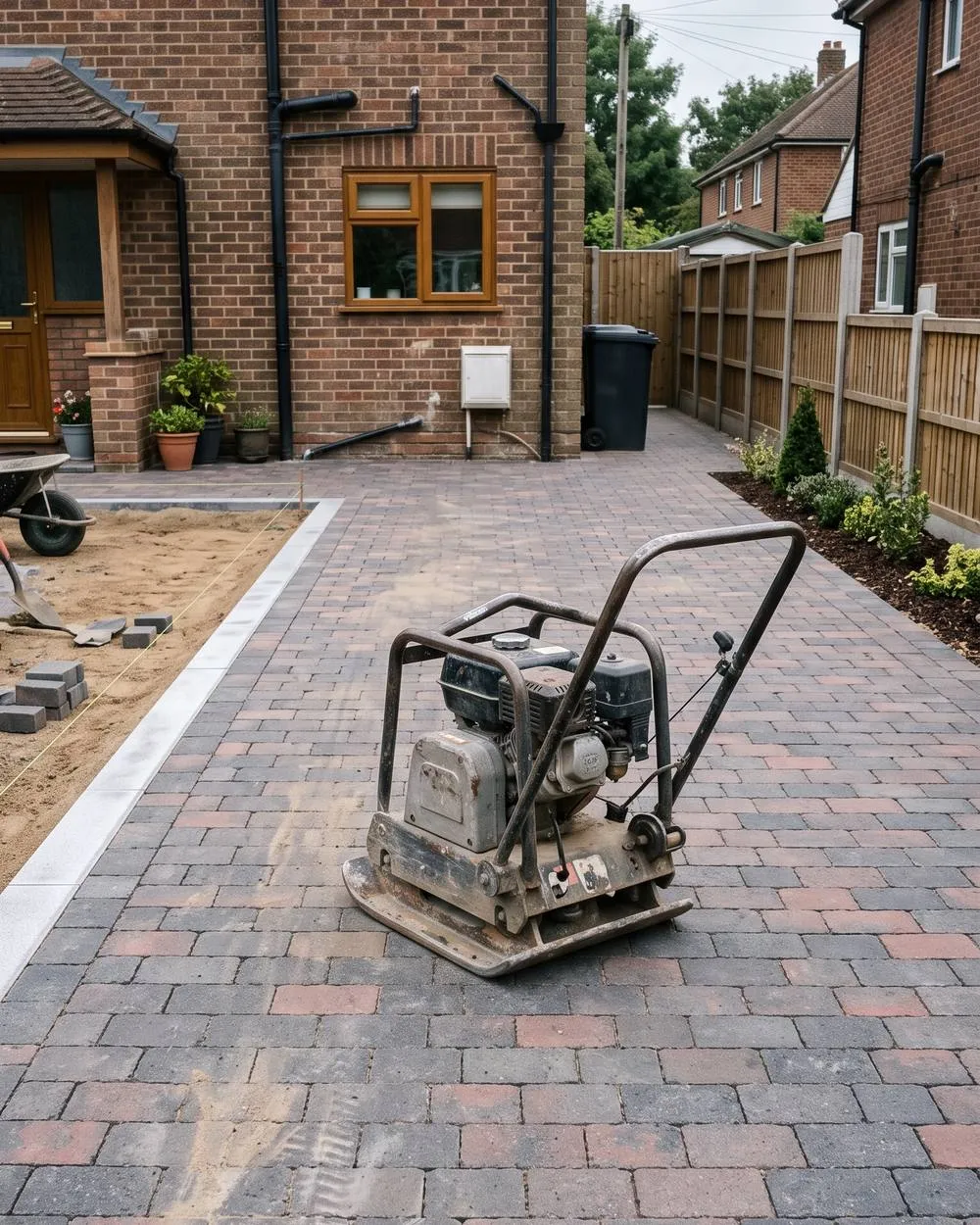
The part of a driveway you never see does most of the work. A well-built sub-base is the difference between a surface that stays flat for years and one that sinks and ruts.
What the sub-base does
Every driveway surface sits on layers. At the bottom is the natural ground, called the subgrade. On top of that goes the sub-base, a compacted layer of crushed stone. Above that is the bedding layer and then the surface you see, whether that is block paving, resin, tarmac or gravel.
The sub-base spreads the weight of a car or van over a wider area of ground, so the soil below is not pushed down in one spot. It also provides a firm, level platform for the surface and plays a part in drainage. If it is too thin, poorly compacted or made of the wrong material, the surface above will eventually move, whatever it is made of.
Digging out
Building a sub-base starts with excavation. Topsoil, roots and soft material are removed until firm ground is reached. The depth depends on the ground and on the load the driveway will carry. Soft clay, made-up ground or old garden soil may need digging deeper than firm, stony ground. An installer who quotes a depth without looking at the ground is guessing.
A geotextile membrane is often laid on the dug-out ground. It keeps the stone sub-base separate from the soil below, so the two do not mix over time, and it reduces weed growth from below.
The material
For most driveways the sub-base is a crushed aggregate, commonly referred to as MOT Type 1. It contains a range of particle sizes, including fine material, which locks together tightly when compacted. That makes a strong base, but it does not let much water through.
For permeable surfaces, a different, open-graded aggregate is used, often called Type 3 or a clean crushed stone. It has fewer fines and leaves gaps between the stones, which lets water pass through and be stored temporarily. A permeable surface laid on a standard Type 1 base will not drain as designed.
Compaction
The stone has to be compacted in layers, usually with a vibrating plate or a roller. Laying a deep layer all at once and compacting only the top leaves loose material underneath that settles later. Ask how thick each layer will be before it is compacted and how many passes the machine will make.
Getting the levels right
The sub-base is shaped to the same falls as the finished surface. Rainwater has to run away from the house and towards a drain, a channel or a permeable area. Correcting levels in the bedding layer instead of the sub-base leads to uneven thicknesses, and thicker patches of sand or mortar are more likely to sink.
Questions to ask
Because the sub-base disappears under the surface, you will usually have only the installer’s word for what went in. Ask these questions before agreeing to a job. How deep will you dig, and what happens if you find soft ground? What material will the sub-base be, and how thick? Will you use a membrane? How will it be compacted? Are you happy for me to see it before the surface goes on?
A good installer will answer without hesitation and will not mind you taking a look. Be cautious of any quote that describes the surface in detail and the base in a single line.
Photos and video on this site are illustrative.