Blocks laid on stone that has been dug in and compacted
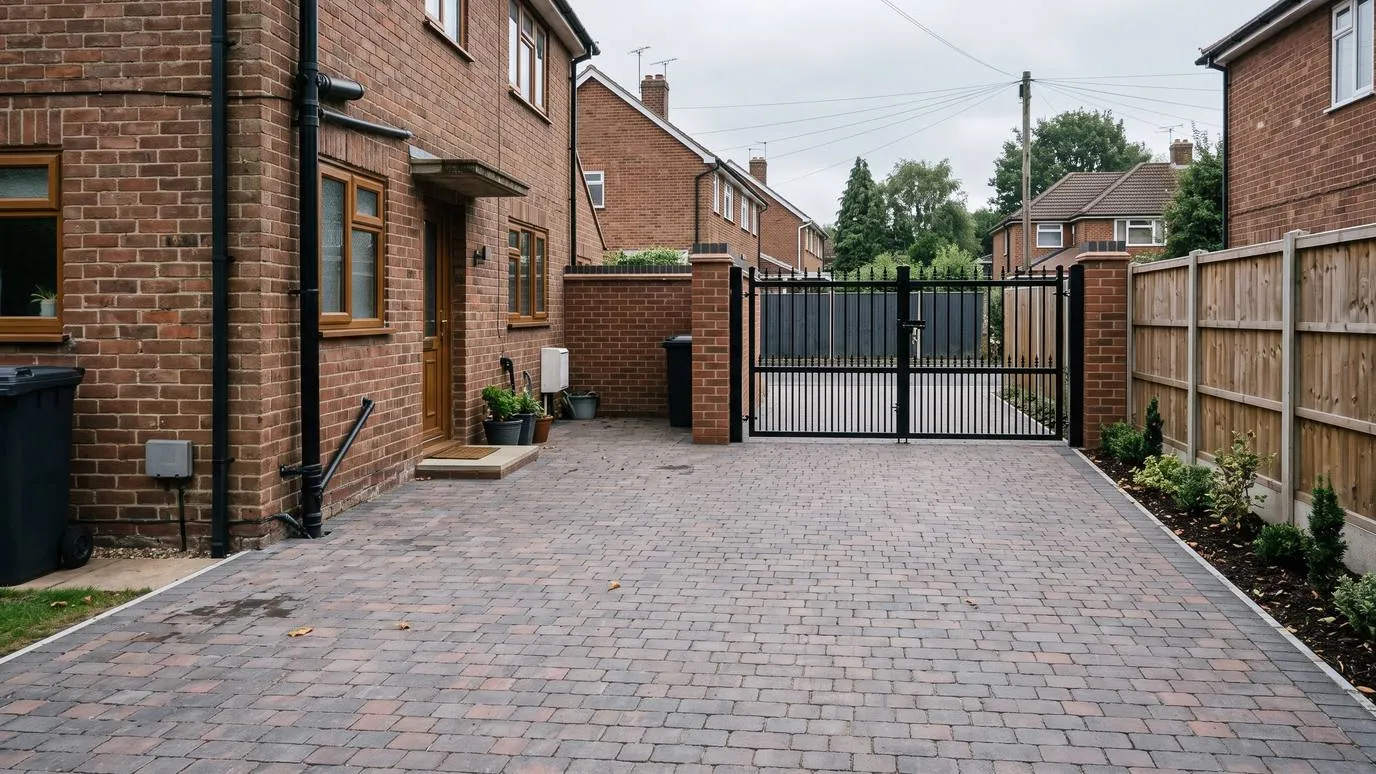
Block drives laid on a compacted stone sub-base inside solid edges. Once the blocks are down, sand is brushed into every joint.
What it covers
- Taking up and removing the old drive
- Digging out to firm ground
- Compacted crushed stone sub-base
- Edging set on concrete and haunched
- Concrete or clay blocks, in the colour and pattern you pick
- Falls, plus channels where the design needs them
- Kiln-dried sand brushed into the joints
The detail
A block-paved drive holds together because the blocks are packed tight, with sand locking the joints and a solid edge to push against. Underneath, a compacted stone layer spreads the weight of the car, so the ground below stays where it is. Most of the time on site goes on those hidden layers.
Sub-base and edges
The depth of the dig depends on the ground and what will drive over it, so it gets decided after looking at the site. Soft clay or old garden soil may need taking deeper than firm, stony ground. Stone goes down in layers, because a deep layer compacted only at the top settles later.
The outer row needs more than sand behind it. Kerbs or edging blocks are bedded on concrete, with a wedge of concrete behind them called haunching. Without that, blocks creep outwards under the car, joints open and the paving starts to dip.
Rain and the house wall
Standard block paving doesn’t let water through, so the surface falls away from the house towards a lawn, a channel or a soakaway. Permeable paving is another route, with gritted joints and a more open stone beneath. The usual guidance is to keep the finished level at least 150 millimetres below the damp-proof course, and air bricks must stay clear. Where the ground slopes towards the house, a channel along the wall usually collects the water.
Dropped kerbs
A new drive is only useful if a car can legally cross the pavement to reach it. The kerb belongs to the highway, and the council decides whether it can be lowered and who may do the work. Check with your council early, because the position of the crossing sets where the entrance goes.
Step by step
- 01
Look at the ground
Levels, access and the height of the damp-proof course are checked, and we talk through where the rain will go.
- 02
Dig out
The old surface and soft ground come up and go away by skip or grab lorry, down to a firm base.
- 03
Build up
Edges are set on concrete, then crushed stone goes down in layers, each one compacted and shaped to the falls.
- 04
Lay and sand
Blocks go onto a screeded sand bed, cuts are made at the edges and covers, then the drive is compacted and sanded.
Before and after
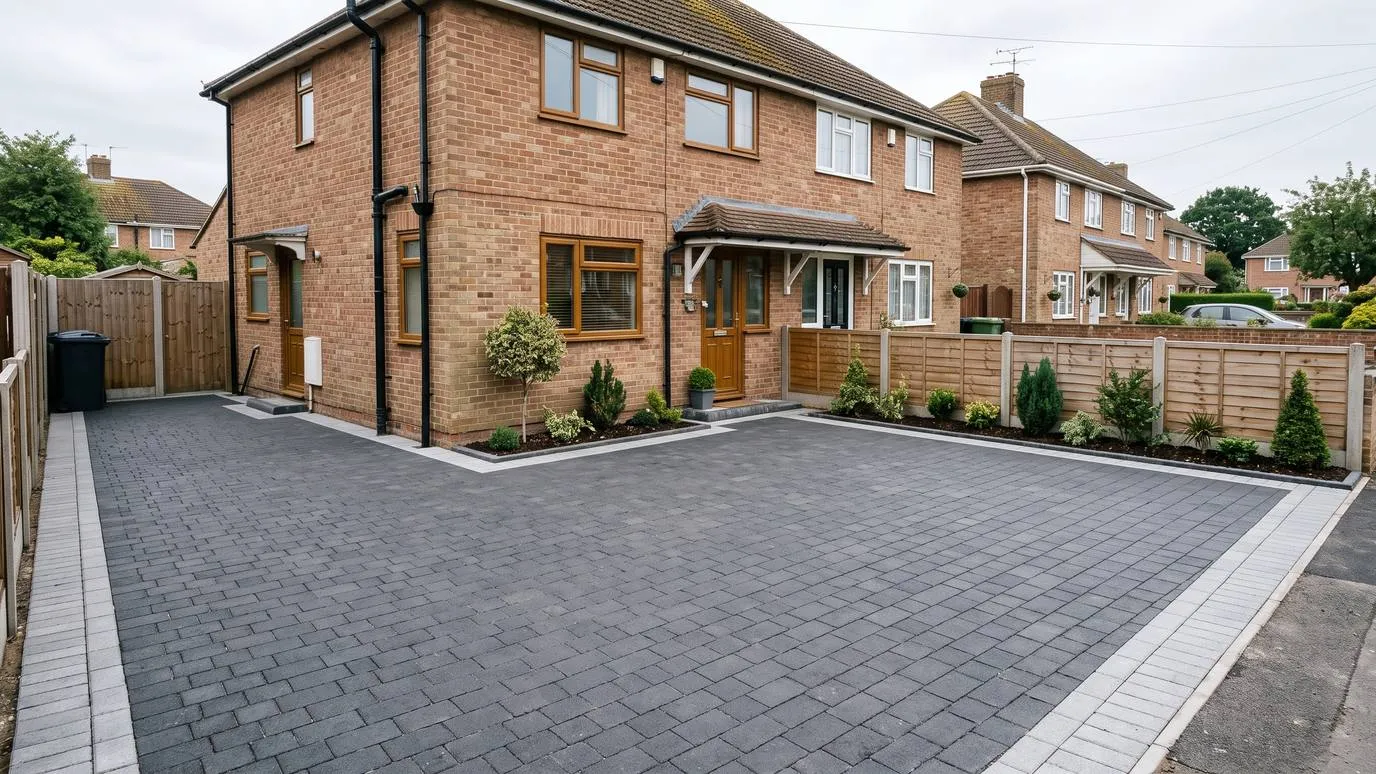
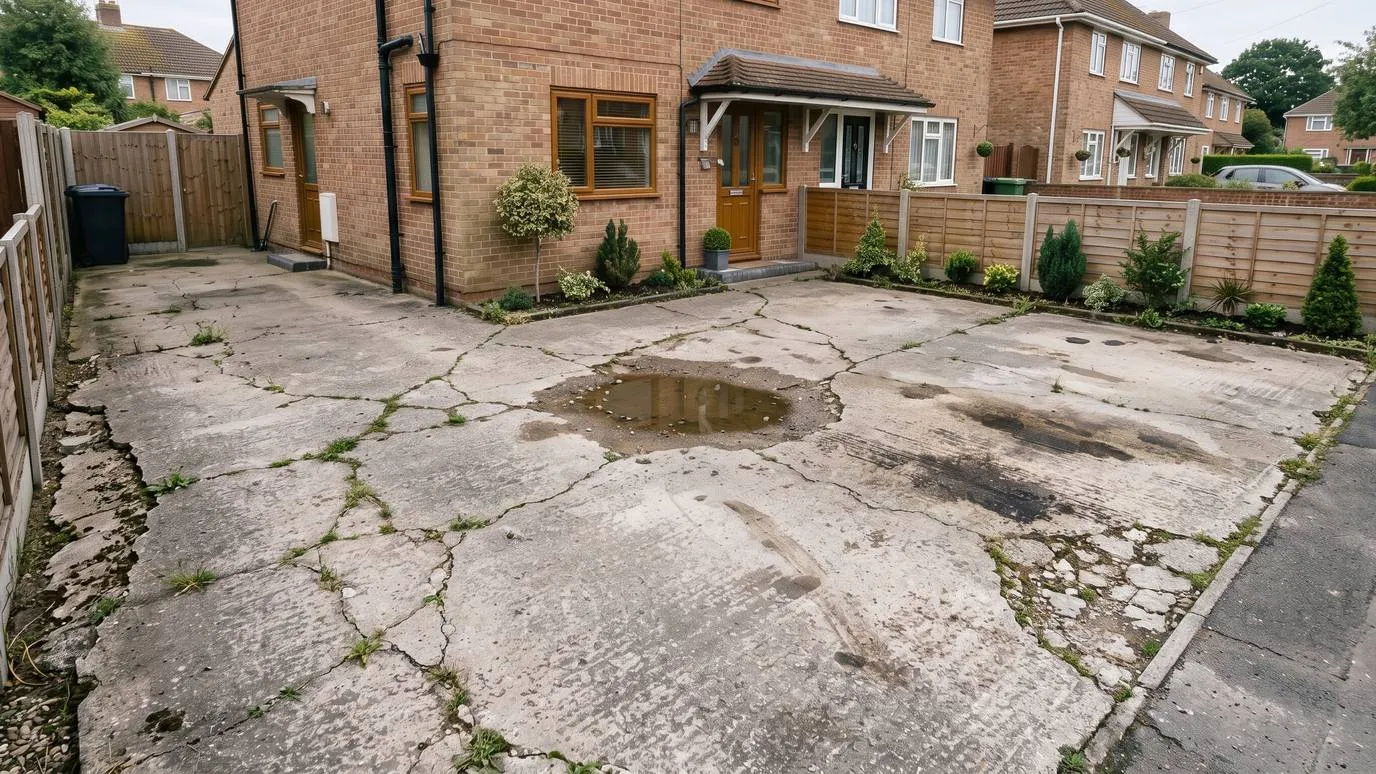
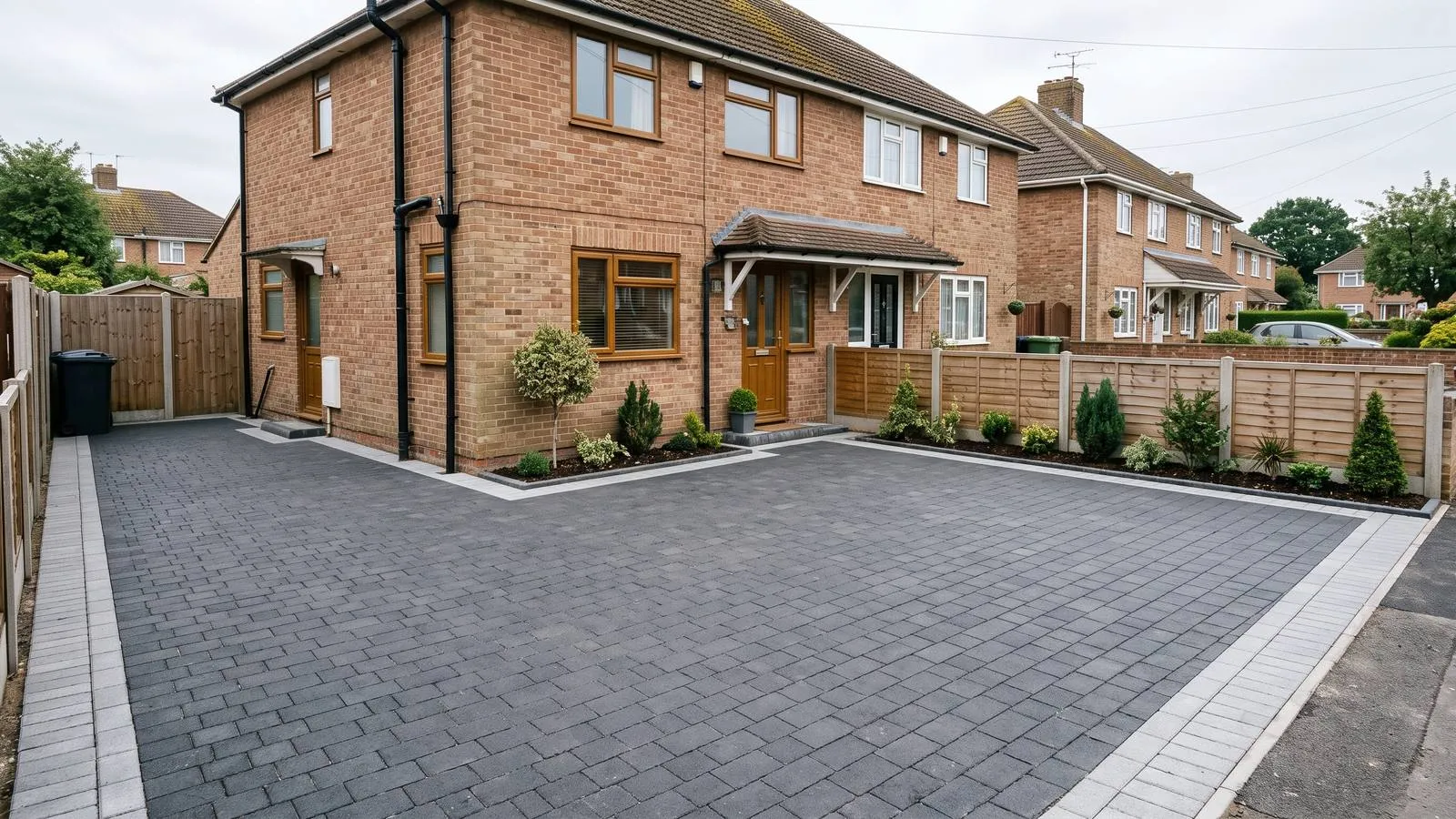
Front drive: cracked concrete to charcoal blocks.
Photos
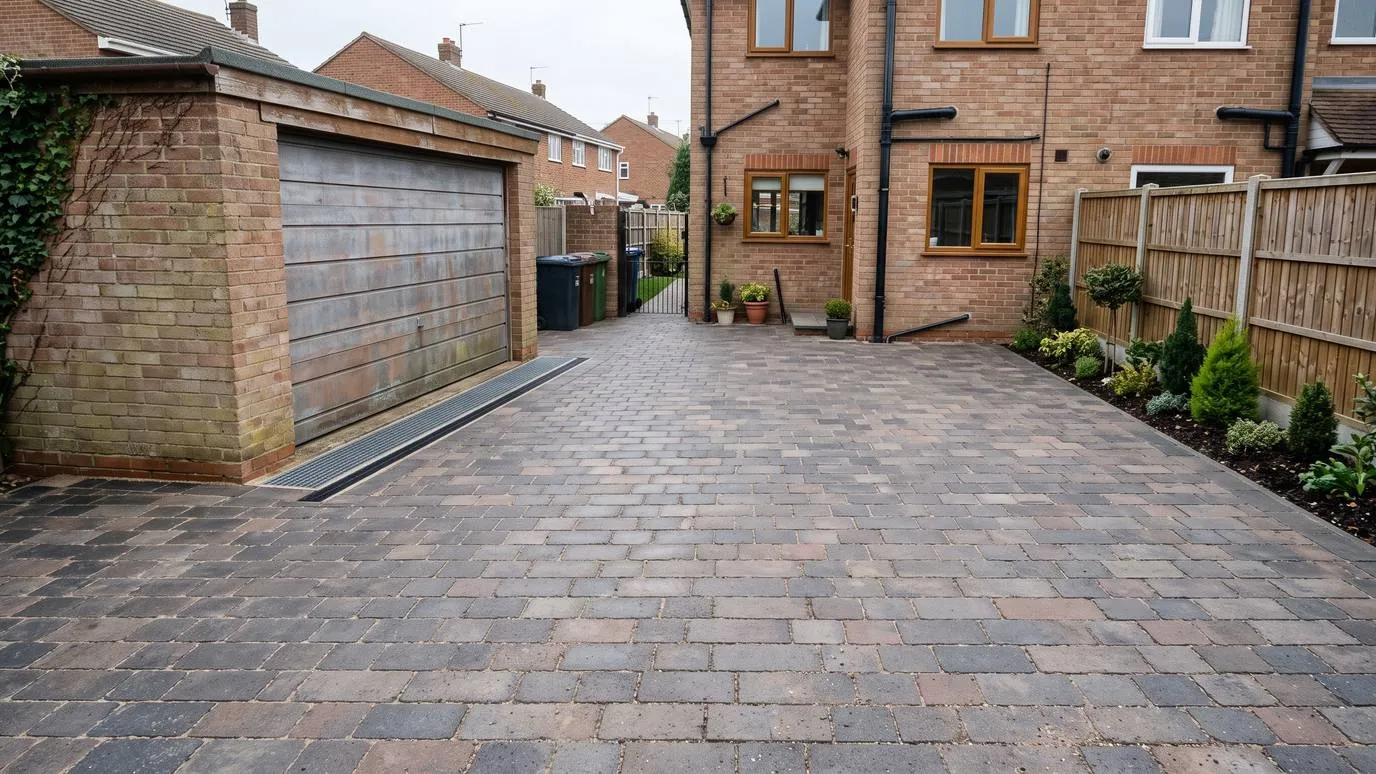
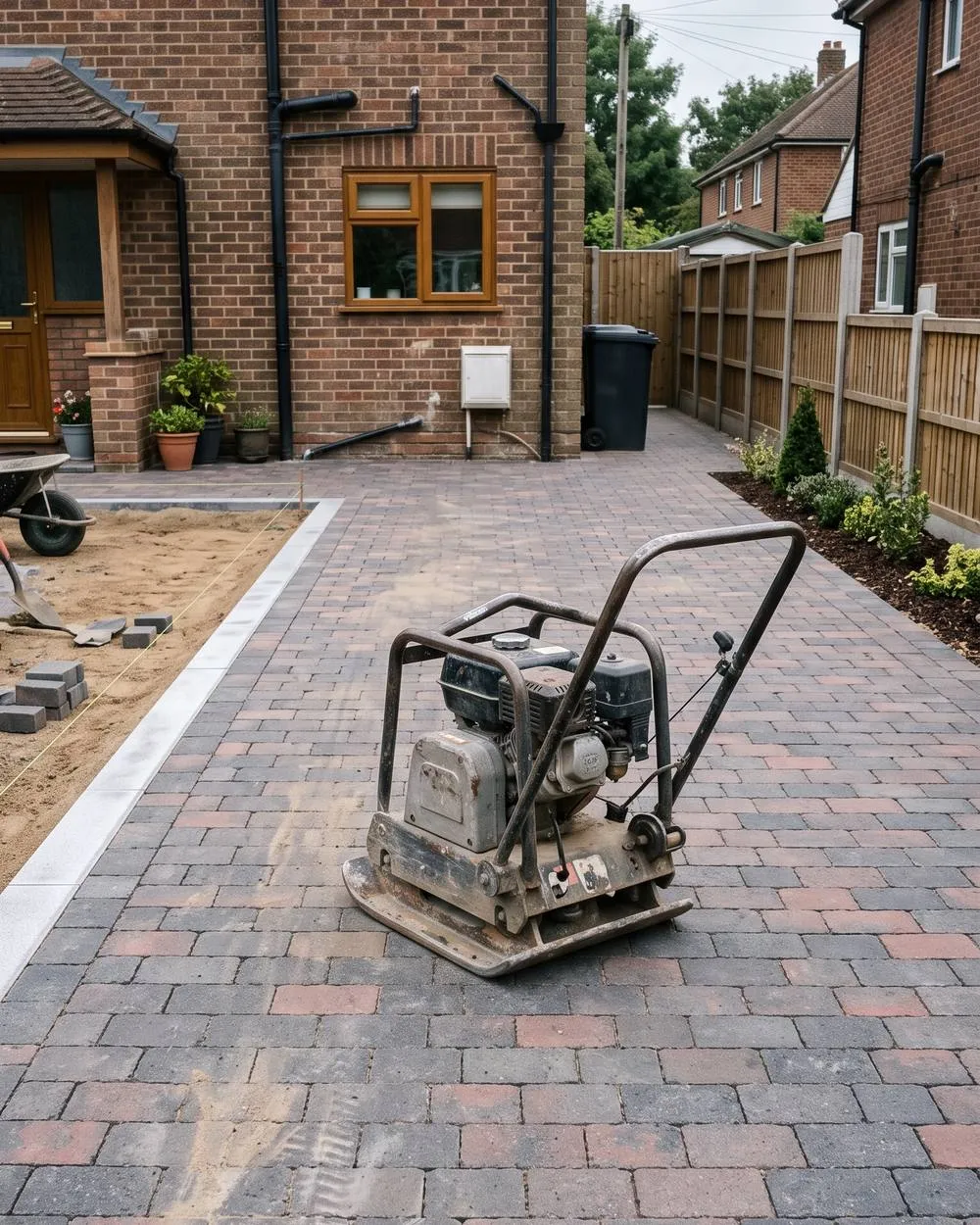
Questions
When can I park on it?
Usually soon after the last section is laid, compacted and sanded, which can be the same day it's finished. The sand keeps settling for a few weeks, so expect to brush in a little more.
Do I need planning permission?
Sometimes. In England, ordinary block paving over five square metres on a front garden generally needs permission unless the rain runs onto a lawn, border or soakaway on your own land. The rules vary across the UK and between properties, so check with your council.
What about weeds in the joints?
Most grow from seeds that land in the joints. Sweeping with a stiff brush, pulling small weeds early and keeping the joints full of kiln-dried sand keeps them down.
Can a sunken patch be repaired?
Usually, because blocks can be lifted and relaid. The cause comes first: a thin sub-base, soft ground or a damaged drain will bring the dip back if it isn't dealt with.
Other services