Block Paving, Resin, Tarmac or Gravel: Choosing a Driveway Surface
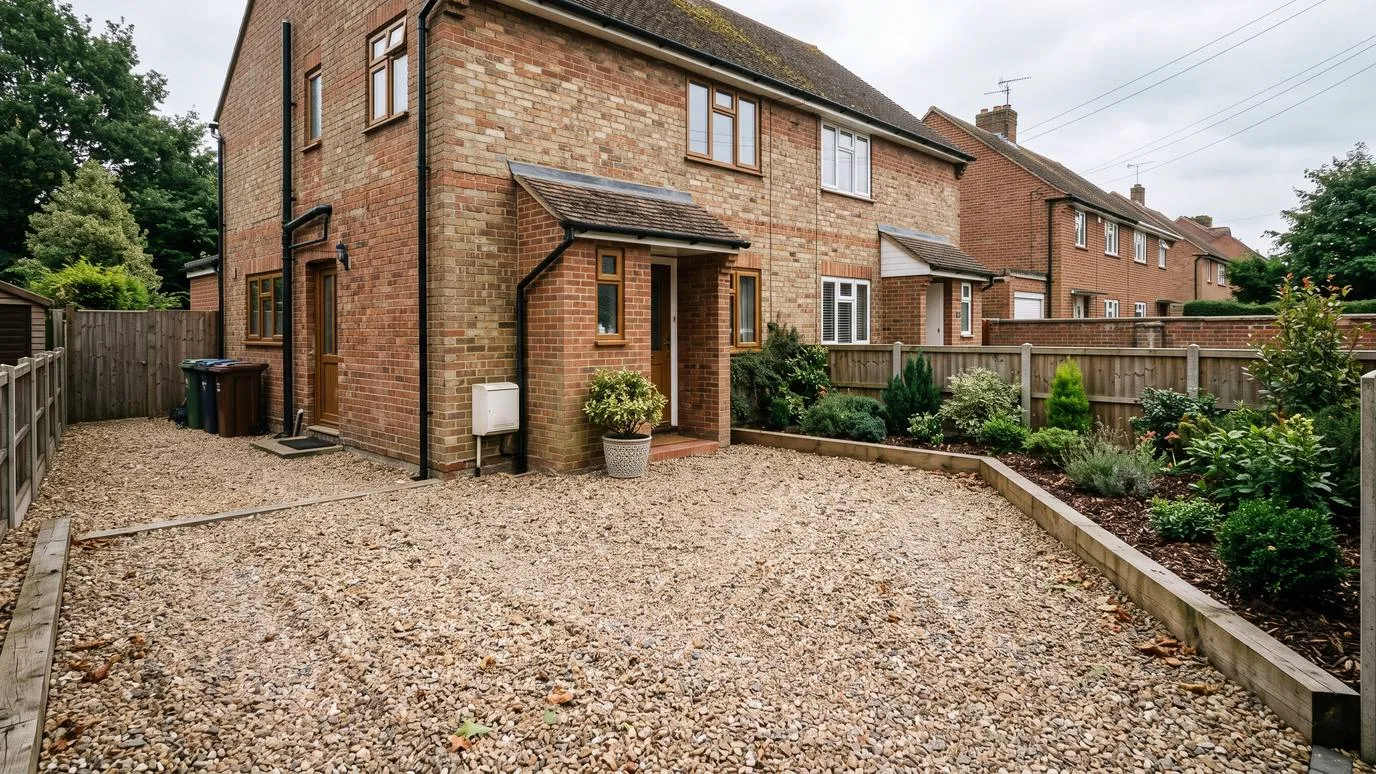
The four common driveway surfaces differ in how they look, how they drain and how much looking after they need. This guide sets out the trade-offs so you can choose with your eyes open.
Start with how you use the drive
Before looking at colours and patterns, think about what the driveway has to do. A drive that takes one small car is a different job from one that carries a van, a caravan or regular deliveries. The slope of the ground matters, and so does where rainwater will go. So does how much time you want to spend maintaining it. Each surface handles these things in its own way.
Block paving
Concrete or clay blocks are laid on a compacted sand bed over a sub-base, with sand brushed into the joints. Block paving comes in many colours and sizes, it can be laid in several patterns, and it suits most house styles. One advantage is repair: if a drain run has to be dug up, or a block cracks or gets stained, individual blocks can be lifted and relaid.
The downside is the joints. Weeds and moss can root in the sand, and the joints need topping up from time to time. Standard block paving is not permeable, so drainage has to be planned. Permeable block paving exists, with wider joints filled with grit, but it needs a different, open-graded sub-base underneath.
Resin
Resin-bound surfacing is a mix of small stones and clear resin, trowelled flat to give a smooth, even finish with no loose gravel. Laid over a suitable permeable base, it lets water drain through. It is low maintenance once cured and looks tidy.
It depends heavily on the weather on the day it is laid and on the quality of the base. Resin needs dry conditions, and a poor base will show through as cracks. Ask whether the resin is UV-stable, because some cheaper resins darken or yellow in sunlight.
Tarmac
Tarmac, more accurately asphalt, is hot-laid in layers and rolled flat. It is hard-wearing, quick to lay and handles heavy vehicles well when the base is right. It is usually the plainest-looking option, though coloured versions and contrasting edging are available.
New tarmac can scuff if you turn the steering wheel while the car is stationary, particularly in hot weather. Oil and fuel spills soften it. Standard tarmac is not permeable.
Gravel
Gravel is the simplest surface to lay and the easiest on drainage, since water passes straight through. It suits rural and older properties, and the crunch underfoot is a small deterrent to anyone walking up the drive unheard.
Loose gravel moves. It gets pushed into ruts, carried into the house and kicked onto the pavement, and it is hard work for wheelchairs and buggies. Plastic stabilising grids under the gravel reduce much of that movement.
Drainage and planning
In England, if you are surfacing a front garden and the new hard surface is more than five square metres, it needs planning permission unless it is permeable or the water runs off onto a lawn or border within your property. That can tip the decision towards resin, gravel or permeable paving. The rules are different in Wales, in Scotland and in Northern Ireland, so check with your council wherever you live.
Making the choice
Ask any installer you speak to which surface they would recommend for your drive and why. A good answer will mention your ground, your slope and where the water goes, as well as appearance. Whatever the surface, the finish only lasts as long as the base underneath it, so give equal attention to what will be dug out and put back.
Photos and video on this site are illustrative.